
We monitor a wide variety of issues that impact maritime and industrial interests in and around the Port of Oakland. Here are the things we’re focused on right now:
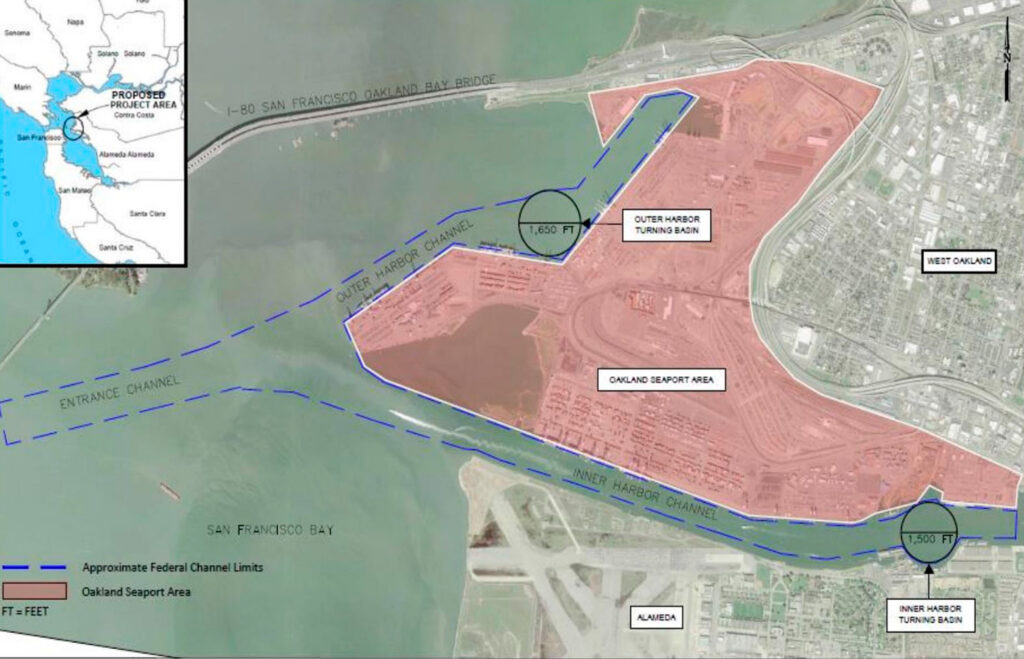
The City of Oakland is currently in Phase 2 of its General Plan Update, with a release of the Draft Land Use and Transportation Element expected in Spring 2025.
O-MAST is engaging proactively with the City of Oakland to incorporate industrial-compatible land uses into the final plan and ensure that the industrial buffer zone is protected along with long-standing truck, rail, and shipping access to the Port.

O-MAST is working hard to ensure continued safe and reliable truck access to Frontage Road. In 2023, the Port of Oakland presented to the City Council a proposed Frontage Road route update that included changes to signage and parking.
The Port continues to engage in meaningful dialogue with its neighbors and the surrounding community, proposing improvements to address concerns and securing grant funding to support upgrades, and is working with Councilmember Fife and her fellow councilmembers to move the item forward. When the time comes, we will communicate with O-MAST members to indicate their support to Oakland City Council for maintaining the Frontage Road as a primary trucking route.
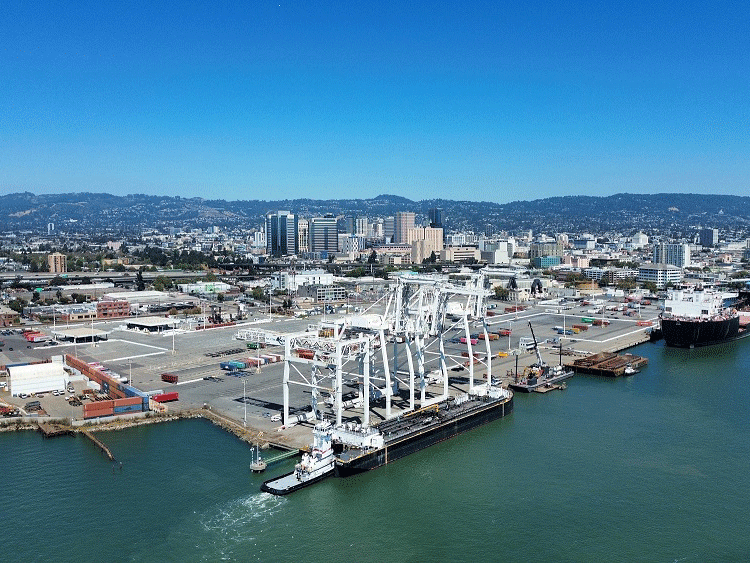
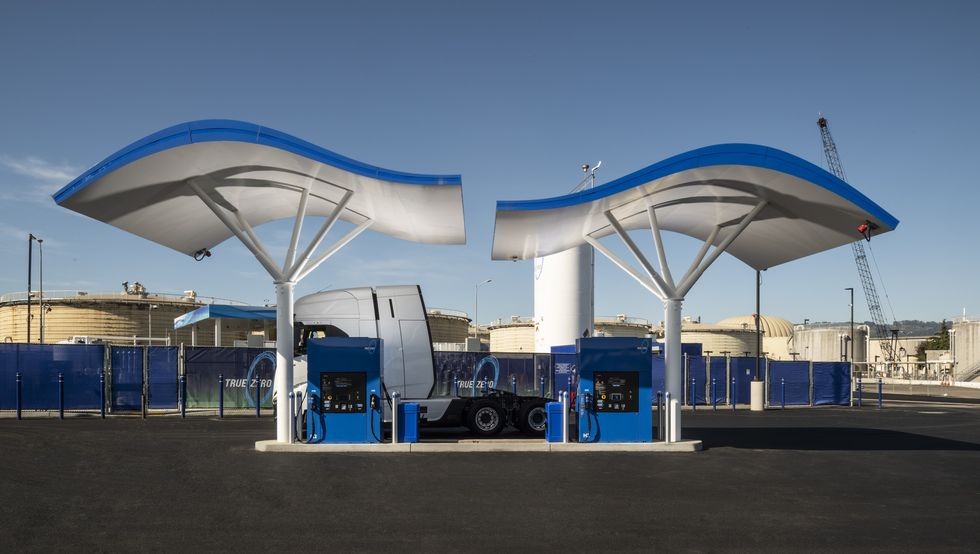

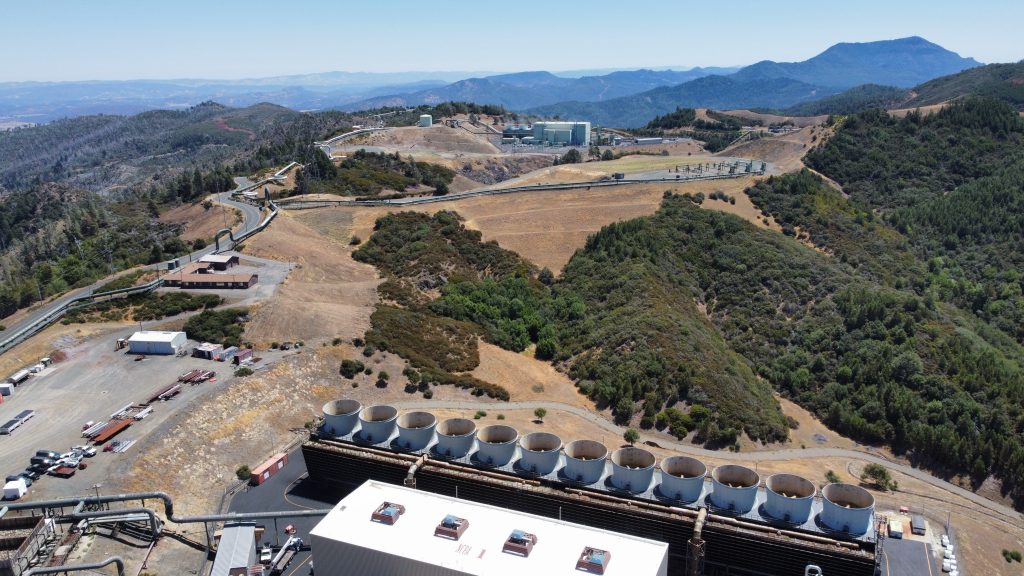
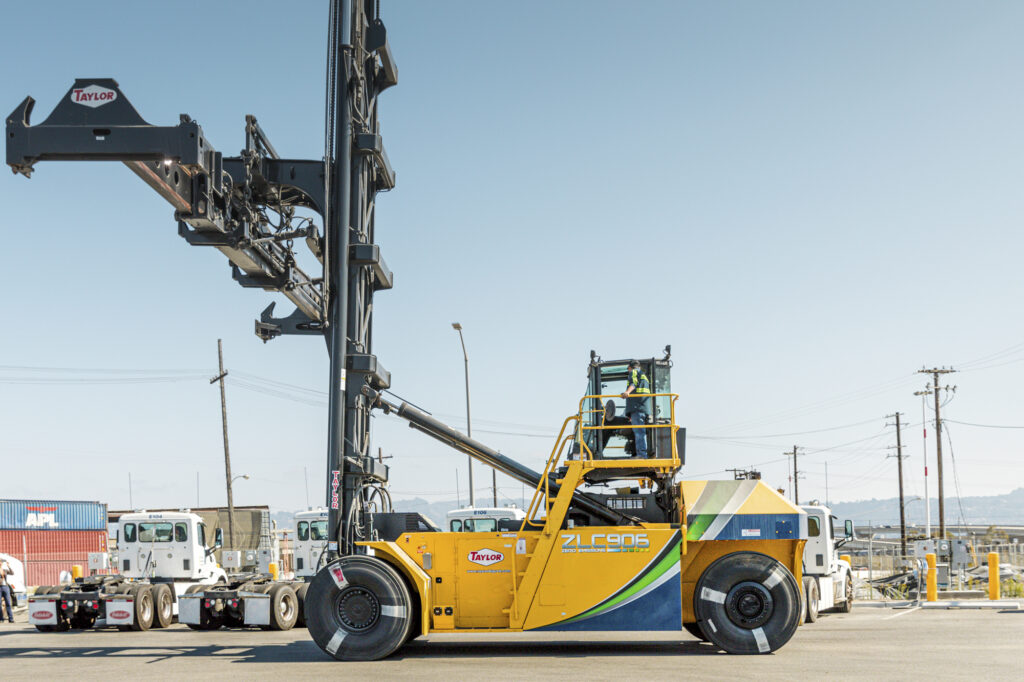
The U.S. Environmental Protection Agency (EPA) awarded the Port of Oakland $322 million in Fall 2024 to fast track the Oakland Seaport’s conversion to nearly 100 percent zero-emissions cargo handling operations. The Port’s historic and transformative proposal is called “Community Led, Business Supported, Proven and Ready to Go! Transforming the Port of Oakland to Zero Emissions.” The historic federal funding announcement, when matched with Port and local partner contributions, will unlock approximately half a billion dollars in total investment for green initiatives at the Oakland seaport.
This is the largest-ever amount of federal funding for a Bay Area program aimed at cutting emissions from seaport cargo operations. The grant will finance 663 pieces of zero-emissions equipment which includes 475 drayage trucks and 188 pieces of cargo handling equipment. You can learn more here.
While the Port has made significant progress in reducing carbon emissions and integrating green technology, there is still more to do. The California State Transportation Agency issued $1.2 billion for California ports to invest in cleaner technology in 2023, which has provided extensive opportunity thus far, but federal funding for these types of initiatives is in peril. O-MAST looks forward to collaborating with Port leadership, City of Oakland, and State of California officials on how to reach our collective goal of creating a carbon-free Port of Oakland amidst the current political landscape.
